Author: Jonathan D. Cope Status: Discussion Draft Version: 1.0 Date: December 28, 2025 Reference code: D25-01 Comments to: jdcope@commonscapitalism.com Discussion Draft Available at: PDF | READ Keywords: institutional design; corporate governance; residual claims; labor compensation; acquisition...
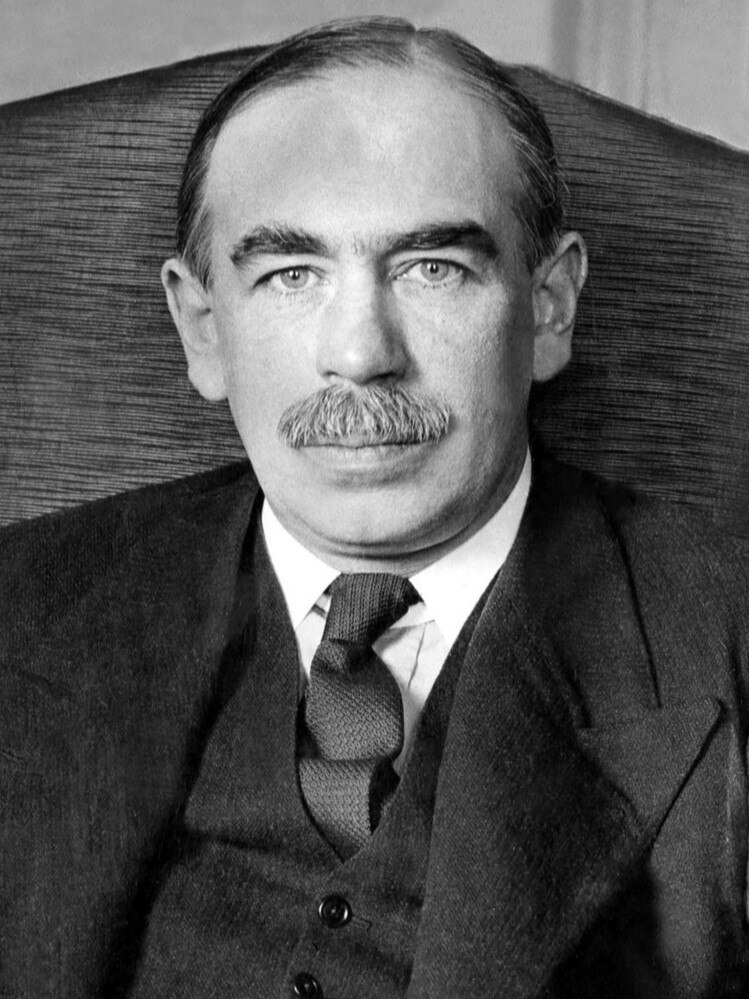
Reference code: C25-20 Why Keynes Would Pay Attention John Maynard Keynes would not have approached Commons Capitalism as a moral manifesto. He would have approached it as a machine: Does it keep employment high, keep investment steady, and keep the economy from falling into avoidable slumps? From...

Reference code: C25-19 Ixtlán de Juárez is an Indigenous community in Oaxaca, Mexico, frequently discussed as an example of a high-functioning communal commons that operates sophisticated market-facing enterprises. The community is widely associated with community forestry and with operating...

Reference code: C25-18 Polycentric Governance and Worker Input as Downturn Resilience A CCE is structurally positioned to weather economic stress better than a conventional firm, not because it is insulated from markets, but because its governance is designed to gather better information, make...

Reference code: C25-17 Only the first CCE typically faces the financing problem in its hardest form, because it starts with no money and no collateral. In practice, there are three commercially realistic ways to finance that first acquisition, listed here in descending order of practical viability...

Reference code: C25-16 The Concentrated-Power Problem in Traditional Capitalism In a conventional capitalist firm, economic authority tends to collapse into a single dominant center even when the org chart looks more complex. Shareholders (or the capital markets that discipline them) set the value...

Reference code: C25-15 This commentary is one of a two-part set of commentaries that examines worker precarity in down economies. What “Reserves and Funds” Mean in Practice Reserves and internal funds reduce precarity only when they operate as pre-positioned commitments rather than...

Reference code: C25-14 This commentary is one of a two-part set of commentaries that examines worker precarity in down economies. Why Downturns Turn Jobs into Precarity Economic downturns translate quickly into worker precarity because the employment relationship in the United States is often the...

Why A Commons-Based Enterprise Model Is Needed Now Reference code: C25-13 Historical Drift of the Postwar Social Contract In the decades after the Second World War, households in the United States could reasonably expect that diligent work would translate into stability, modest upward mobility and...
Why Commons Capitalism Took So Long to Emerge